In the first 24 hours after a kitchen fire: confirm it’s safe to enter, switch off the HVAC so it stops spreading smoke, photograph everything for insurance before touching it, don’t wipe greasy soot (it smears in), discard smoke-exposed food, secure the property, and call your insurer and a restoration pro.
The fire's out and the adrenaline is fading, and now you're standing in a smoky kitchen wondering what to actually do. The first day matters more than people realize — a few right moves protect your health, your home, and your insurance claim, and a couple of well-meaning wrong ones can make the damage permanent or cost you money. Here's a calm, practical checklist for the first 24 hours, in the order that matters.
If the fire is not fully out, or anyone is hurt, stop reading and call 911. This guide is for after the fire is out and it's safe to be on the property. Never re-enter a home the fire department hasn't cleared.
The short version
- Safety first — only re-enter once the fire department says it's safe; watch for gas and electrical hazards.
- Don't wipe the greasy soot — it smears in and can hurt your claim. Document first.
- Turn the HVAC off so it stops spreading smoke through the house.
- Photograph and video everything before touching anything; in Florida the insurer must begin investigating within 14 days of your claim.
- Call your insurer and a kitchen fire cleanup pro early — prompt mitigation protects both the home and the payout.
First: make sure it's safe
Before anything else, confirm the structure is safe to be in — that's the fire department's call, not yours. Once you're cleared to enter, watch for the hazards a fire leaves behind: the gas should be off if there's any doubt, and any wiring, outlet, or appliance touched by flames, smoke, or firefighting water should be treated as unsafe until an electrician or technician checks it. If firefighting left standing water, be aware that in South Florida's humidity mold can begin within a day or two, so drying becomes a priority quickly.
What not to do (this is the important part)
Most of the costly mistakes after a kitchen fire happen in the first few hours, from the very reasonable instinct to "start cleaning." Resist these:
- Don't wipe the greasy soot. Kitchen-fire soot is oily, and a wet rag drags it across cabinets and walls and grinds it into the finish — turning a removable film into a permanent stain. (Our guide to cleaning soot off walls explains the dry-first method for when the time comes.)
- Don't run the HVAC. The air handler will pull greasy smoke into the ductwork and blow it through the whole house. Switch it off.
- Don't power up exposed electronics or appliances until they've been checked — soot is conductive and corrosive.
- Don't throw anything away yet. Damaged items are evidence for your claim; document them before they leave the house.
- Don't repaint or seal over soot. It bleeds back through; cleaning has to come first.
| In the first 24 hours | Do | Don't |
|---|---|---|
| The soot | Leave it in place and photograph it | Wipe it with a wet rag |
| The HVAC | Switch it off at the thermostat | Run the AC or heat |
| Electronics & appliances | Have them checked before use | Power up anything that was exposed |
| Damaged belongings | Photograph before moving them | Throw anything away yet |
| Walls & ceilings | Clean first, then seal and paint | Repaint straight over soot |
Document everything for insurance
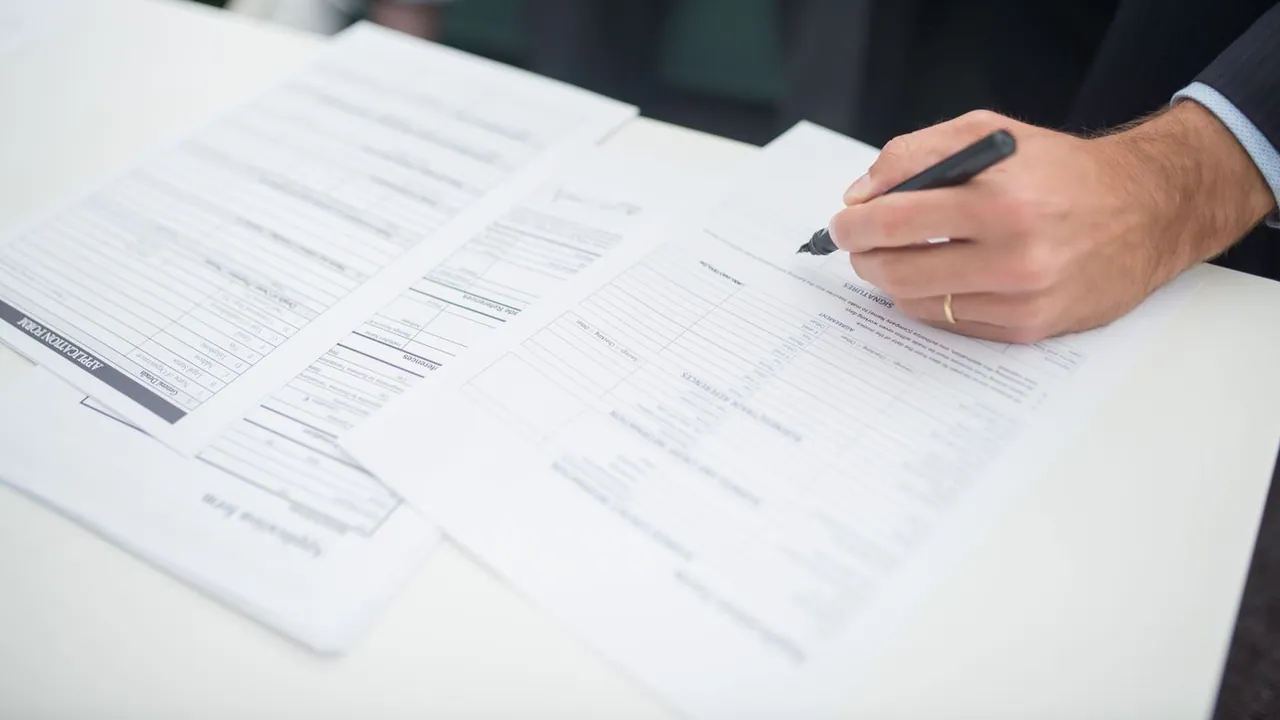
This is the step that pays for itself. Before you clean or move anything, photograph and video the entire affected area — wide shots of each room and close-ups of damaged surfaces, appliances, and belongings. Keep receipts for anything you buy for emergency mitigation (fans, tarps, board-up materials), because those costs are generally reimbursable.
One coverage people often miss: if the fire makes part of your home unusable, hang on to receipts for temporary lodging, meals out, and other extra costs. Most homeowners policies include "additional living expenses" (also called loss of use), which reimburses the added cost of living elsewhere while repairs happen — but you generally have to document and claim it.
Timing is on a clock, and it helps to know it. Under Florida law your insurer must begin investigating a claim within 14 days of receiving it and accept or deny it within 90 days, and you carry a duty to take reasonable steps to prevent further damage in the meantime. In other words: document thoroughly, start the claim promptly, and don't let damage worsen while you wait. Good documentation plus prompt, professional mitigation is what keeps a claim moving.
The calls to make
Two calls, early. First, your insurance company, to open the claim and ask what they need. Second, a restoration professional — even a contained stovetop fire usually spread greasy smoke and odor well beyond the kitchen, and a pro can stabilize the scene, stop the soot from setting, and document the full extent (which often supports a more complete claim than a quick once-over would). If you're not sure how big the job is, our overview of the whole-home smoke damage a kitchen fire causes is a good reality check.
Two more first-day jobs that protect you. Secure the property: if the fire or the firefighters left broken windows, a damaged door, or a hole in the roof, get it boarded up or tarped — usually within 24 hours. It keeps out weather, animals, and intruders, and it's part of the duty to mitigate that your policy expects (a restoration company can handle the board-up and bill it to the claim). And grab your critical documents — IDs, insurance policy, property titles, and financial records — and keep them in a clean, dry folder before cleanup and foot traffic scatter or ruin them.
Only enter once cleared; watch for gas, electrical, and water hazards.
Stop the system from spreading greasy smoke through the ductwork.
Photos and video of every room and item — for your insurance claim.
Your insurer to open the claim, and a restoration pro to stabilize and assess.
Your first-24-hours checklist
- ✅ Confirm the home is safe to enter (fire department cleared it)
- ✅ Turn off the HVAC; leave exposed appliances and electronics unplugged
- ✅ Photograph and video everything before moving or cleaning
- ✅ Ventilate only if it's safe — open opposite windows for cross-flow
- ✅ Wear gloves and a mask; keep children and pets out of affected rooms
- ✅ Keep receipts for any emergency supplies
- ✅ Secure the property — board up or tarp any broken windows, doors, or roof openings
- ✅ Gather critical documents (IDs, insurance policy, titles, financial records) somewhere safe and dry
- ✅ Call your insurer to open the claim
- ✅ Call a restoration pro to stabilize the scene and assess the full spread
- 🚫 Don't wipe greasy soot · 🚫 Don't run the AC · 🚫 Don't toss damaged items · 🚫 Don't repaint over soot
Not sure how far the damage spread?
After a kitchen fire, greasy smoke and odor usually reach well past the kitchen. A fast professional assessment stops the soot from setting, documents the full extent for your claim, and tells you exactly what your home needs.
Get a Boca Raton estimateHow to recover from a kitchen fire (beyond the first day)
The first 24 hours are about safety, documentation, and stopping the damage from getting worse. Recovering from a home kitchen fire is the longer arc that follows: a professional assessment of how far the greasy smoke spread, full soot and residue removal, whole-home deodorization, sealing and repainting where needed, and working your insurance claim to completion. Our fire and smoke cleanup process walks through how assessment, soot removal, deodorization, and restoration fit together — and if the fire started with oil, the grease fire cleanup guide covers what makes that residue especially stubborn. The goal of getting the first day right is simple: it makes the recovery faster, cheaper, and more complete.
Update (July 2026): the insurance clock deserves numbers. Under Florida law, your insurer must acknowledge your claim within 14 days and pay or deny it within 90 days of receiving your complete proof of loss — and you must file within one year of the date of loss. Your side of the bargain is prompt reporting and preventing further damage, which is exactly what the photograph-everything-then-clean sequence in this guide accomplishes. For fires that went past the kitchen, the full recovery path — assessment, soot removal, deodorization, sealing, repainting — is covered on our fire damage restoration in Boca Raton page.
Frequently asked questions
Not before you document the damage and check it's safe. Photograph and video everything first for your insurance claim, then know that greasy kitchen-fire soot smears if you wipe it — so wiping early can both hurt your claim and set the stain. Once documented, dry-remove soot before any water.
Don't wipe greasy soot off walls or cabinets (it smears in), don't run the HVAC (it spreads smoke through the home), don't use electronics or appliances that were exposed to smoke or water until checked, and don't throw damaged items away before they're documented for insurance.
Report it promptly. In Florida, once you file, your insurer must begin investigating within 14 days and accept or deny the claim within 90 days, and you have a duty to mitigate further damage. Document everything, keep receipts for any emergency steps, and start the claim as soon as the scene is safe.
Even a small cooking fire releases a large volume of greasy smoke that spreads through the home and into the HVAC within minutes, embedding odor in walls, cabinets, and soft furnishings far from the kitchen. That's why the cleanup is almost always bigger than the burn itself.
Usually the smoke and toxic gases, not the flames. A house fire quickly fills rooms with carbon monoxide and other poisonous gases that can cause confusion and unconsciousness within minutes — often before the fire itself reaches you. That's why working smoke alarms and getting out fast matter so much.
Smoke inhalation. The majority of home-fire deaths are caused by breathing in smoke and toxic gases rather than by burns. Fire also consumes oxygen and produces carbon monoxide, which can overcome someone in their sleep — which is exactly why early warning and a fast exit save lives.
A fire typically moves through four stages: incipient (ignition, when it's small and easiest to stop), growth (it spreads to nearby fuel), fully developed (peak heat and the most dangerous stage), and decay (it runs out of fuel or oxygen and dies down). Most lasting soot and smoke damage is laid down during the growth and fully developed stages.
No — limit your exposure. Soot is made of very fine particles that lodge deep in the lungs, and residue from a house fire can contain irritating and toxic compounds from burned plastics and synthetics. Keep children, pets, and anyone with breathing problems away, ventilate if it's safe, wear an N95 mask if you must be in the area, and have it professionally removed.
The bottom line: in the first 24 hours, your job isn't to clean — it's to stay safe, stop the damage from spreading, and document it. Turn off the AC, photograph everything, make two calls, and resist the urge to wipe. Do that, and both your home and your claim are in far better shape. If you're in Boca Raton, we can be the restoration call.