Stovetop Fire Smoke Cleanup in Boca Raton
The flames stayed on the burner, but the smoke didn't. A stovetop fire pushes greasy smoke across the whole home in minutes — and that spread, not the burn, is the real cleanup.
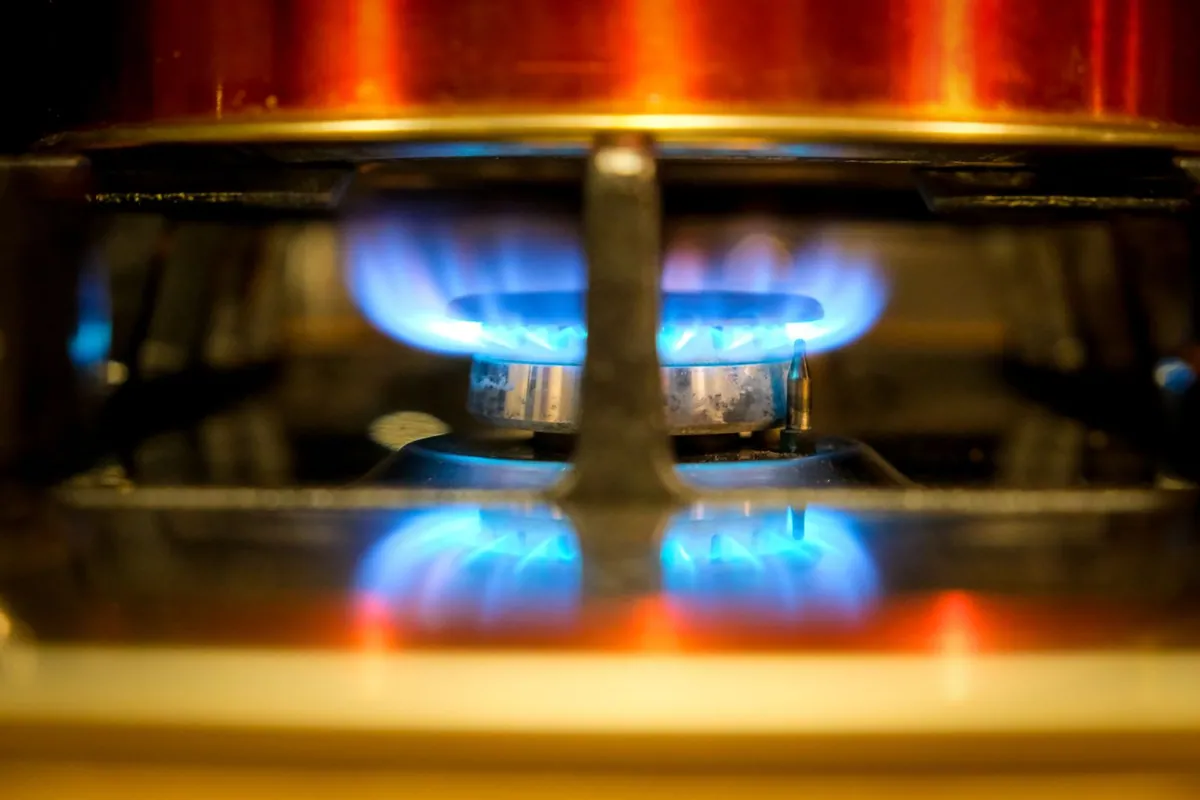 After the kitchen fire
Even a small stovetop fire spreads greasy smoke and soot well beyond the stove and into the HVAC within minutes. Cleanup means dry-removing the soot, degreasing every affected surface, cleaning the ductwork so it stops recirculating odor, and discarding smoke-exposed food — wiping down only the stove never clears it.
Stovetop fires are the most common kitchen fire we see, and they're a textbook case of damage being bigger than it looks. Start with our kitchen fire cleanup overview, then read on.
Understanding the problemHow a burner fire becomes a whole-home problem
A pan fire or burner flare-up may be out in seconds, but in those seconds it releases a surprising volume of hot, greasy smoke. That smoke rises, hits the ceiling, and rolls outward — through the open kitchen, into living areas, down hallways, and straight into the air-conditioning return. Within minutes it has deposited a thin greasy film and odor on:
- The wall and ceiling above and around the stove
- Cabinets, the range hood, and the backsplash
- Living-area walls, ceilings, and soft furnishings
- The HVAC system, which then recirculates the smell
This is why a stovetop fire that scorched one pot can leave the whole condo smelling of smoke for weeks — and why wiping down just the stove never fixes it.
The HVAC is the multiplier. Once greasy smoke reaches the ductwork, every cycle of the AC redistributes the odor. Cleaning the system is often the difference between a smell that fades and one that keeps coming back — especially in Boca's year-round AC use.
One thing to handle right away, for safety: throw out food exposed to the smoke. Closed cabinet and refrigerator doors are not airtight, so packaged pantry goods, produce, and anything in the fridge can absorb smoke residue and toxins. When in doubt, discard it — and keep the receipts, because spoiled food is often reimbursable on a fire claim.
How we fix itOur stovetop fire smoke cleanup process
Trace the smoke
We map how far the greasy smoke traveled — usually well past the kitchen — including the HVAC.
Degrease & clean
Affected walls, ceilings, cabinets, and contents are degreased and cleaned, and the HVAC is addressed so it stops spreading odor.
Deodorize
Thermal fogging and ozone remove the smoke smell from the whole home at the source.
Stovetop fire smoke FAQ
Because the greasy smoke spread far beyond the burner in the minutes it was active — into living areas, soft furnishings, and especially the HVAC. The smell embeds in all of those, so cleaning only the stove leaves the actual odor sources untouched and the smell returns.
Often, yes. If greasy smoke reached the air handler and ducts, the AC keeps recirculating the odor through the home every cycle. Cleaning or treating the HVAC is frequently what makes the smell actually go away rather than lingering for weeks.
Greasy cooking-smoke odor can persist for weeks to months because it's embedded in walls, fabrics, and the HVAC and reactivates with Boca's humidity. Proper source cleaning plus deodorization clears it in a fraction of that time.
Stovetop fire spread smoke through your home?
Get an estimate for whole-home smoke and odor cleanup.