Removing Soot from Brick & Painted Surfaces in Boca Raton
Brick and masonry soak soot deep into their pores, and painted surfaces each grab it differently. There's no single trick — the right method depends on the material, and the wrong one sets the stain for good.
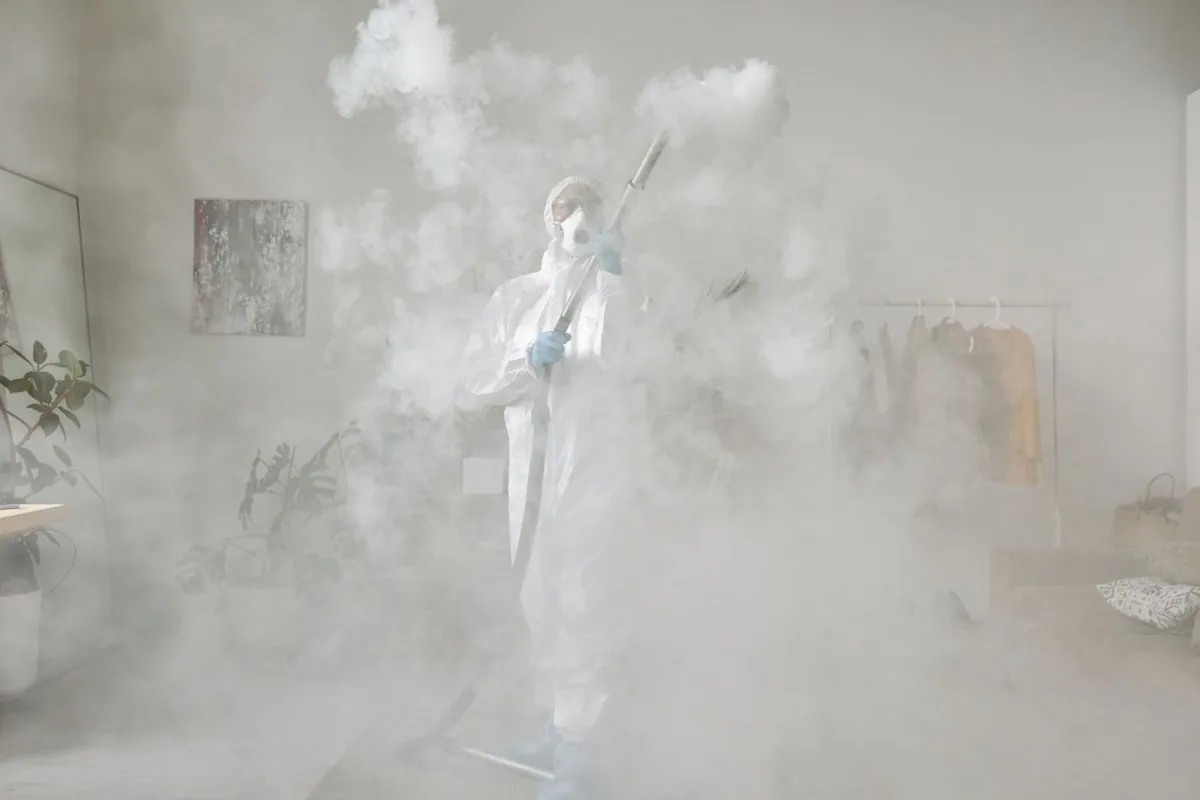 The soot residue we remove
To remove soot from brick or painted masonry, dry-clean first, then scrub bare brick with a degreaser or TSP solution and a stiff brush; for painted brick use a milder cleaner to protect the finish. A poultice draws out deep stains, and a stain-blocking primer is needed before repainting so soot doesn’t bleed through.
Brick fireplaces, accent walls, and painted surfaces are among the trickiest soot jobs. This page goes deeper than our general soot removal overview on these materials.
Understanding the problemWhy brick is so hard to clean
Brick, stone, and mortar are full of tiny pores. Soot — fine and oily — wicks down into them, so what you see on the surface is only part of what's there. Scrub the face with water and you push the residue deeper and spread it across the mortar, often leaving the brick looking grayer than before. Masonry usually has to be drawn out, not wiped off.
Painted surfaces vary too, and knowing how to remove soot from painted walls comes down to the paint: flat and matte finishes hold residue tightly and tolerate less scrubbing, while satin and semi-gloss release it more easily. Cleaning soot off brick, off wood trim, and off painted drywall each calls for a different touch — matching the method to the material is half the job.
Methods we match to the surface
- Dry removal — HEPA vacuum and chemical dry sponges first, on every surface, to take off everything that hasn't bonded.
- Poultice for masonry — an absorbent paste that draws the residue and oil up and out of porous brick and stone, rather than driving it in.
- Alkaline degreasers — for greasy residue on durable painted and tiled surfaces, used at the right dilution so the finish isn't damaged.
- Sealing — where staining is too deep to fully lift, a stain-blocking sealer or breathable masonry sealer locks it down before refinishing.
Skip the pressure washer and bleach. On interior brick they drive it deeper, damage mortar, and can leave white efflorescence behind. Masonry soot is a slow, method-specific job — not a blast-and-rinse.
Soot on brick & paint FAQ
Never start wet. We HEPA-vacuum and dry-sponge the surface, then for stubborn soot in porous brick we use a poultice — an absorbent paste that pulls the soot and oil up and out of the pores instead of pushing them deeper. Only durable surfaces get a wet degreaser, at a controlled dilution.
Often most of it, sometimes not all. Brick that's absorbed soot for a long time may hold a faint shadow even after a poultice. In those cases we get it as clean as the material allows and, if needed, seal it so it doesn't keep bleeding or shedding soot.
Strong cleaners like TSP can work on durable painted surfaces, but at full strength they can dull or strip paint and are harsh to handle. We use the correct product and dilution for your specific paint after dry-removing the soot first, which protects the finish.
There's no household cleaner that simply "dissolves" soot, and because it's oily, wet cleaners smear it if you skip the first step. Professionals dry-remove it first with a HEPA vacuum and a chemical "dry sponge," then use a degreasing cleaner — or, on durable surfaces, a diluted TSP solution — matched to the material. Dry first, degrease second is what lifts it cleanly.
Soot in your brick or on painted walls?
Get an estimate — the right method protects the surface.