Kitchen Fire Soot & Residue Cleanup in Boca Raton
After a cooking fire, two things coat your home: greasy soot you can see, and protein residue you can't. Both have to go — and the invisible one is what keeps the smell alive.
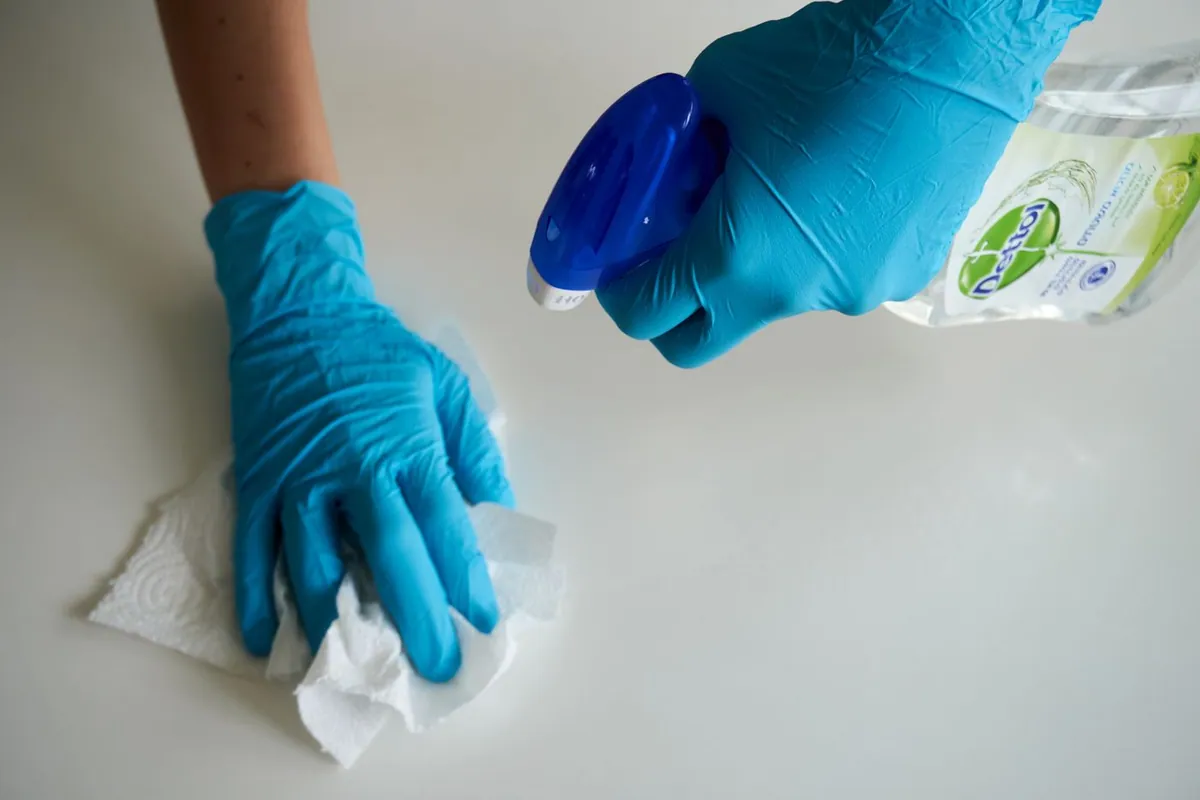 After the kitchen fire
Soot residue comes in three types — dry, wet, and protein — and each cleans differently. Kitchen fires leave the sticky wet and near-invisible protein kinds, which smear if wiped wet and cause lingering odor. Cleanup means dry-removing first, then degreasing (and enzyme-treating protein residue) every surface the smoke reached, seen or not.
Residue cleanup is the detailed, surface-by-surface core of kitchen fire cleanup. It overlaps with our broader soot removal work but centers on greasy, cooking-fire residue.
Understanding the problemVisible soot and invisible protein residue
A kitchen fire leaves two distinct residues, and you have to deal with both:
- Greasy soot — the visible, oily, yellow-brown film on cabinets, walls, the hood, and appliances. Sticky and prone to smearing.
- Protein residue — a nearly invisible film from burnt food and oil that can coat surfaces with little or no discoloration, yet carries a strong, persistent smell and a faint greasy feel. People clean what they can see, leave the protein residue, and wonder why the kitchen still smells.
Both are acidic and greasy, so the wrong approach — a wet rag, an all-purpose spray — smears them and can etch finishes. They need a dry-then-degrease method, applied even to surfaces that look clean.
Restoration pros sort soot into three types, because each cleans differently: dry soot from a fast, hot fire (paper, wood) is powdery and lifts most easily with a HEPA vacuum and dry chemical sponge; wet soot from a slow, smoldering fire (plastics, rubber) is sticky and smears, needing dry removal then a degreaser; and protein soot from burnt food and oil is the near-invisible, varnish-like film that bonds to surfaces and responds best to enzyme-based cleaners that break the odor compounds down. A kitchen fire usually leaves the wet and protein kinds together — which is exactly why a single all-purpose wipe-down never fully clears it.
The invisible residue is the catch. Because protein residue often leaves no stain, it's the most commonly missed part of a DIY cleanup — and the reason the smell hangs around. Thorough cleaning means treating surfaces by where the smoke reached, not just where it shows.
Our soot & residue cleanup process
Dry-remove the soot
HEPA vacuuming and dry sponges lift greasy soot off surfaces before any moisture, preventing smearing.
Degrease, including hidden areas
We degrease all affected surfaces — visible soot and invisible protein residue alike, by where the smoke traveled.
Deodorize & seal
Deodorization removes the embedded smell, and we seal any surfaces where residue left a mark before refinishing.
Soot & residue cleanup FAQ
Soot is the visible, greasy, yellow-brown film a cooking fire leaves on surfaces. Protein residue is a nearly invisible film from burnt food and oil that often leaves no stain but carries a strong, lasting smell and a greasy feel. A kitchen fire leaves both, and the invisible protein residue is the one most often missed.
Almost certainly leftover protein residue. Because it doesn't show, people clean the visible soot and stop — but the invisible film coating cabinets, walls, and nearby surfaces keeps releasing odor. Proper cleanup degreases everywhere the smoke reached, not just the spots you can see.
Yes, if it's left. The greasy residue is mildly acidic and, over time, can stain and degrade cabinet finishes, paint, and metal. Removing it promptly with the right degreasers protects those surfaces; sitting residue is what turns a cleanup into a refinishing job.
Greasy soot and residue all over the kitchen?
Get an estimate — including the residue you can't see.